
Benlida, EMS service provider
3D Printing Services
Benlida provides professional 3d printing electronic components solutions by combining advanced additive manufacturing technology with PCB and PCBA manufacturing expertise. Our 3D printing solutions enable fast prototyping, customized product development, and efficient design verification for a wide range of electronic applications.
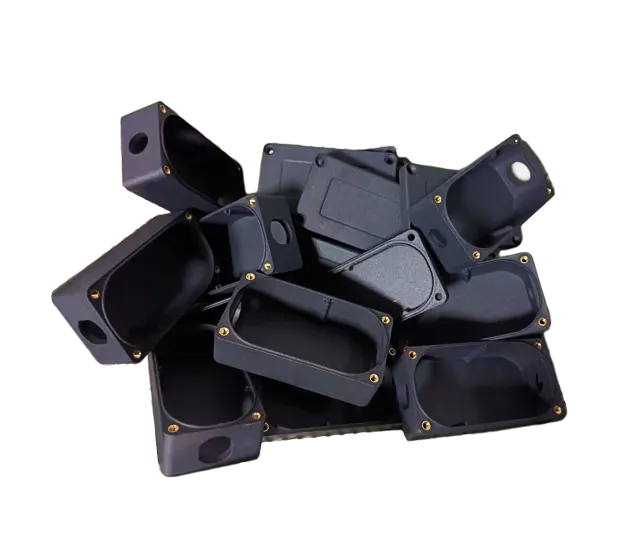
3D Printing Types We Serve
Benlida provides a wide range of 3D printing technologies to support different product development and manufacturing requirements. Based on project needs, we select suitable printing methods according to design complexity, material characteristics, accuracy requirements, and production volume.
From rapid prototypes to functional parts, our 3d printing electronic components solutions help customers verify designs, optimize structures, and accelerate electronic product development.
SLA
In SLA technology, UV light is employed to cure each layer of liquid resins; hence, it is accurate and produces smooth surfaces. It can be used in making prototypes and models that require precise structures.
SLS
SLS uses a laser to fuse powdered materials into strong and durable parts. It is ideal for functional prototypes, complex geometries, and components requiring good mechanical performance.
FDM
FDM creates parts by extruding thermoplastic materials layer by layer. It provides a cost-effective solution for rapid prototypes, functional models, and early-stage product verification.
MJF
MJF uses fusing agents and heat energy to produce strong and precise parts. It offers fast production speed, consistent quality, and is suitable for customized components and small-batch production.
DLP
DLP uses projected light to cure resin materials with high precision. It delivers high-precision details and a refined surface finish for small, intricate components.
FGF
FGF uses plastic granules instead of traditional filaments, making it suitable for larger-scale 3D printing applications. It reduces material consumption while enhancing overall manufacturing efficiency.
SLM
SLM uses a high-power laser to melt metal powder layer by layer, creating strong and complex metal components. It is suitable for applications requiring high strength, durability, and precision.
Urethane Casting
Urethane casting uses silicone molds to produce high-quality polyurethane parts. It is commonly used for prototypes and small-batch production requiring excellent surface finishes and material flexibility.
Our Manufacturing Capabilities for 3D Printing Electronic Components
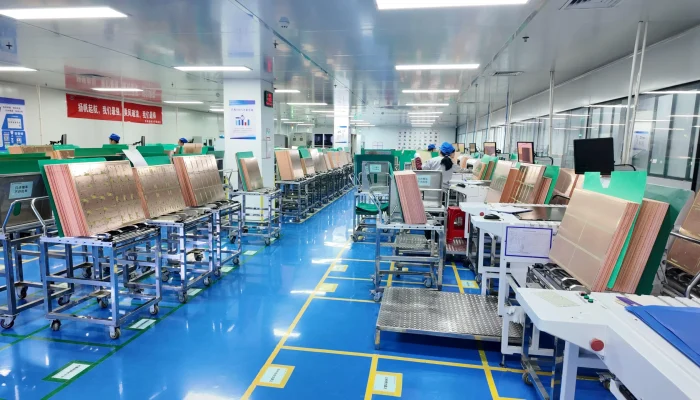
Benlida delivers end-to-end electronic manufacturing capabilities, supporting PCB production, PCBA assembly, rapid prototyping, and tailored electronic solutions. With professional engineering teams and advanced manufacturing resources, we support customers throughout different stages of product development.
Our capabilities include design support, rapid prototyping, customized component manufacturing, electronic assembly, and production optimization. By combining PCB manufacturing experience with advanced manufacturing technology, Benlida delivers reliable 3d printing electronic components solutions for different industries and applications.
From initial product concepts to customized production requirements, Benlida helps customers improve development efficiency and achieve reliable manufacturing results.
Turn Your Dreams Into Reality
Getting a custom PCB made is simple with Benlida. Submit your design files or project details, and our team will provide a fast, accurate quote tailored to your requirements. Whether it’s a prototype or large-scale production, we make the process easy and efficient.
Surface Finishes
Benlida provides various surface finishing options to improve the appearance, performance, and functionality of 3D printed components. Different finishing processes can enhance surface quality, durability, dimensional accuracy, and product presentation according to specific application requirements.
For 3d printing electronic components, suitable surface treatments help improve component performance and ensure better compatibility with final products.
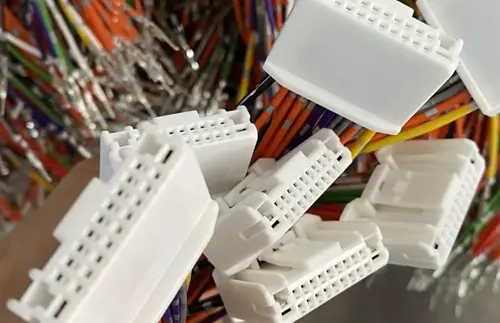
Sand Blast
Sand blasting uses abrasive materials to clean and refine the surface of printed parts. It helps remove surface imperfections and creates a more uniform texture.
Polishing
Polishing improves surface smoothness and enhances the visual quality of 3D printed components. It is suitable for applications requiring refined appearance and better surface finishing.
Painting
Painting adds customized colors and improves the surface protection of printed components. It helps achieve specific appearance requirements while improving product presentation.
Electroplating
Electroplating applies a metal coating to the surface of components. It can improve durability, conductivity, corrosion resistance, and overall product performance.
Milling / Turning
Milling and turning are precision machining processes used to achieve higher dimensional accuracy and tighter tolerances. They help refine printed components to meet specific mechanical requirements.
Chemical Vapor Polishing
Chemical vapor polishing uses chemical processes to smooth surface layers and reduce visible printing lines. It improves surface clarity and provides a more refined finish.
Coloring
Coloring allows printed components to achieve different visual effects and identification requirements. It is commonly used for customized prototypes and product differentiation.
3D Printing Electronic Components Manufacturing Process
The production process for 3D printed electronic components involves several key stages, including design evaluation, material selection, printing preparation, manufacturing, and post-processing. Benlida has a systematic approach to making sure that the components adhere to certain criteria.
Design Evaluation
Benlida reviews customer design files and evaluates product structure, application environment, and performance requirements to optimize designs for 3D printing electronic components.
Material Selection & Printing Preparation
Suitable printing technologies and materials are selected based on component requirements to achieve the desired accuracy, durability, and functional performance.
3D Printing Production
Advanced additive manufacturing technologies are applied to produce customized electronic components with precise structures and consistent quality.
Post-Processing & Quality Inspection
Following the printing process, components undergo necessary post-processing and quality inspections to ensure they meet design specifications and maintain reliable performance across different applications.
Applications
Consumer Electronics
3D printing electronic components facilitates the development process of consumer electronics as it makes the fast prototyping of enclosures, mounting features, and customized structural parts possible. The combination of 3D printing technology with the PCB and PCBA production capacity makes it possible for engineers to validate product designs and streamline the assembly process.
Industrial Electronics
Industrial electronics frequently require custom-made structures, functional components, and dependable assembly techniques. 3D printing electronic components allows for the development of flexible manufacturing strategies in the manufacturing of electronic cases, supports, connectors, and other components.
Medical Electronics
Medical electronic devices require high-precision components, customized structures, and reliable product designs. 3D printing electronic components supports the development of medical equipment by enabling rapid prototyping of precision parts, customized housings, and assembly components, while working together with PCB and PCBA solutions to meet complex design requirements.
Automotive Electronics
Automotive electronic systems require durable structures, precise components, and reliable integration between mechanical and electronic parts. 3D printing electronic components enables the production of customized prototypes, electronic housings, and functional components for automotive applications, supporting faster design validation and product improvement.
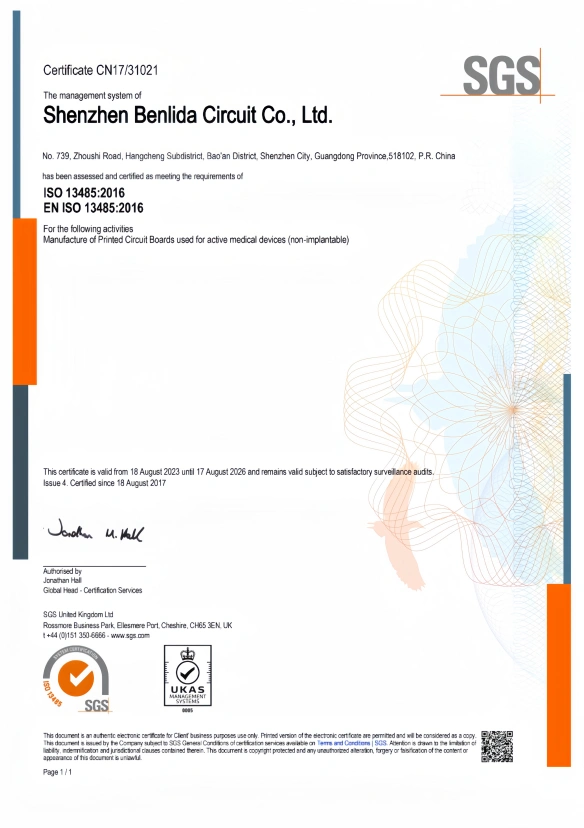
Our Certificates
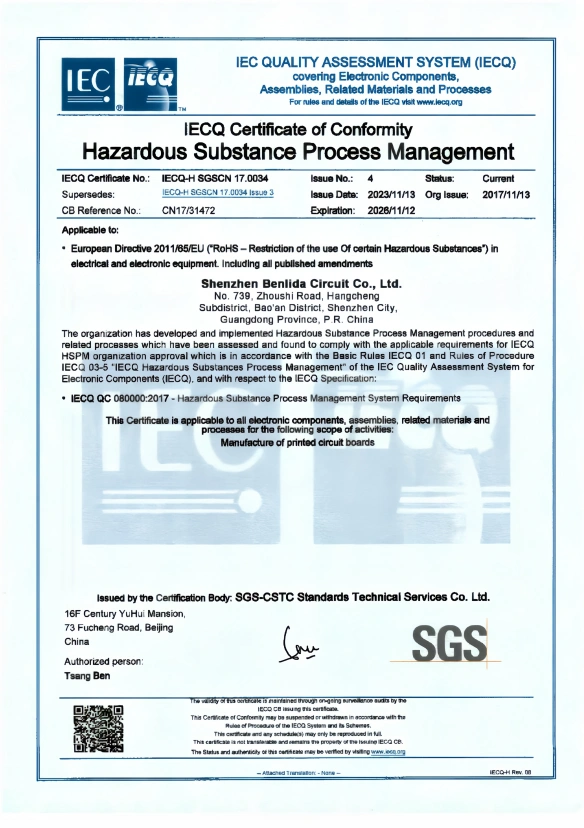
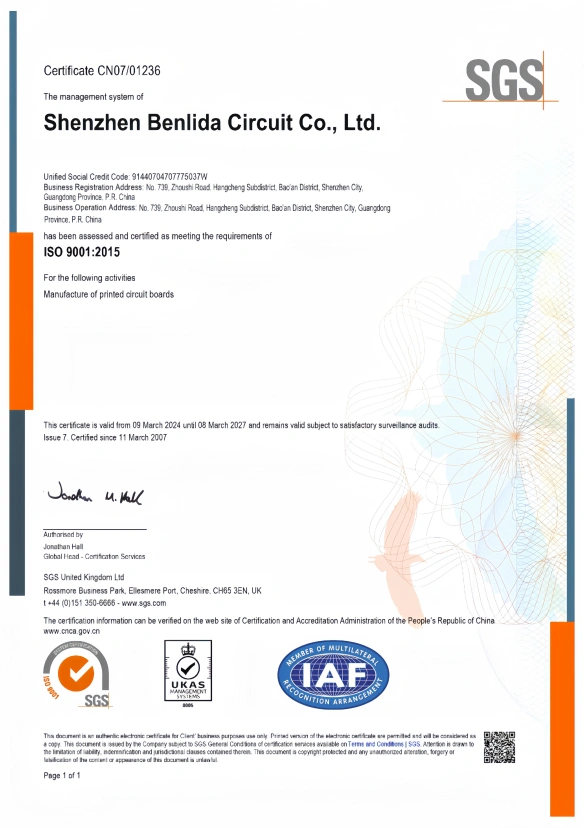
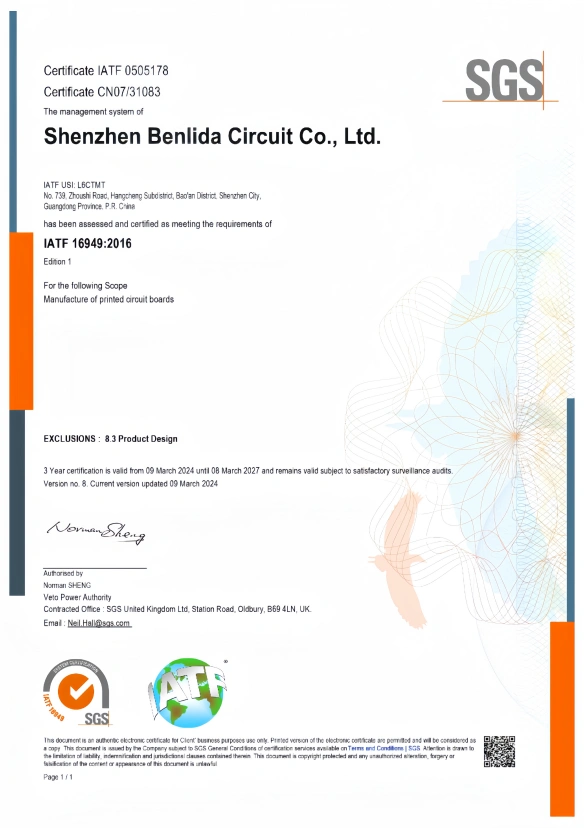
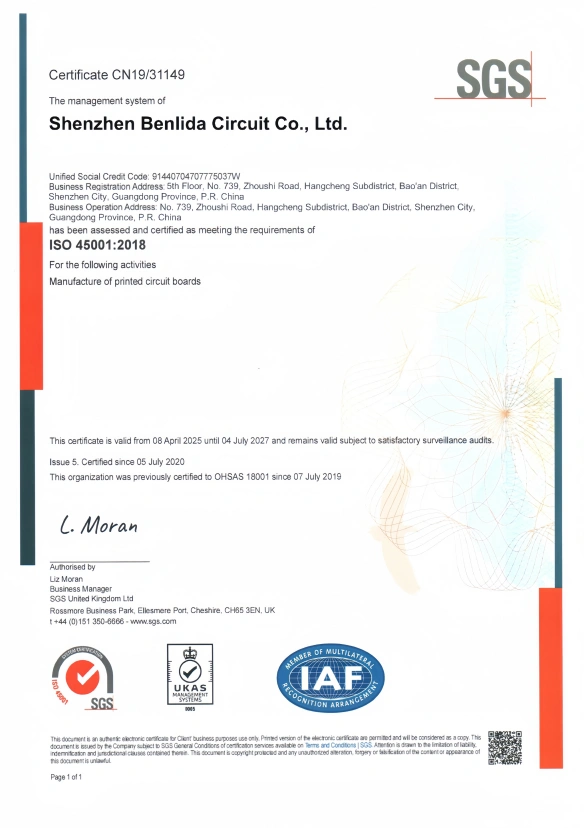
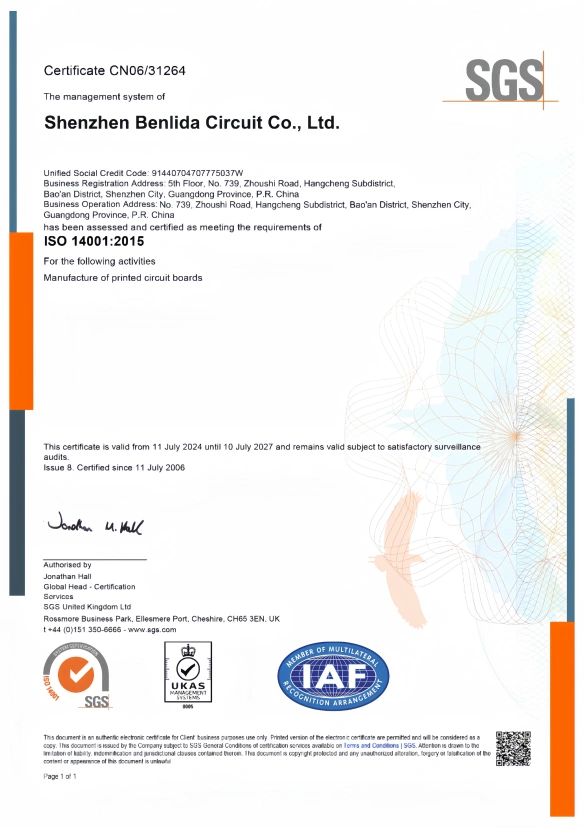
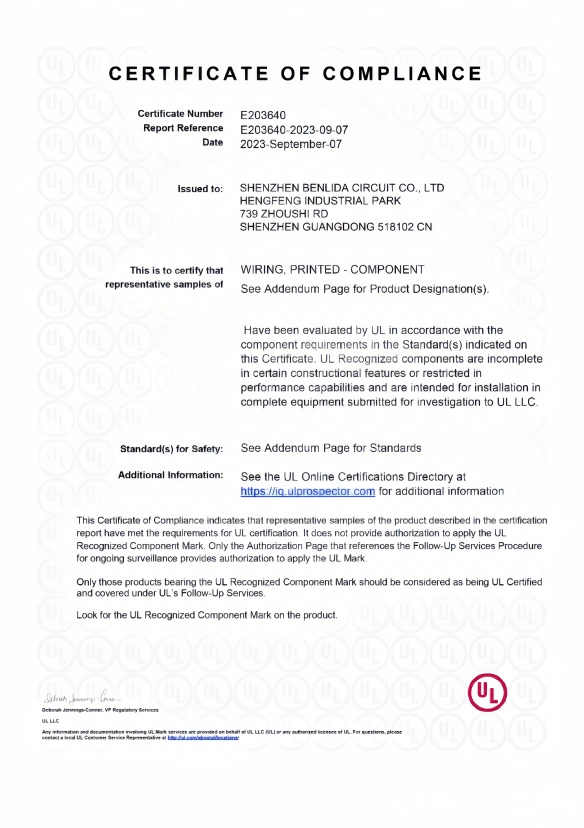
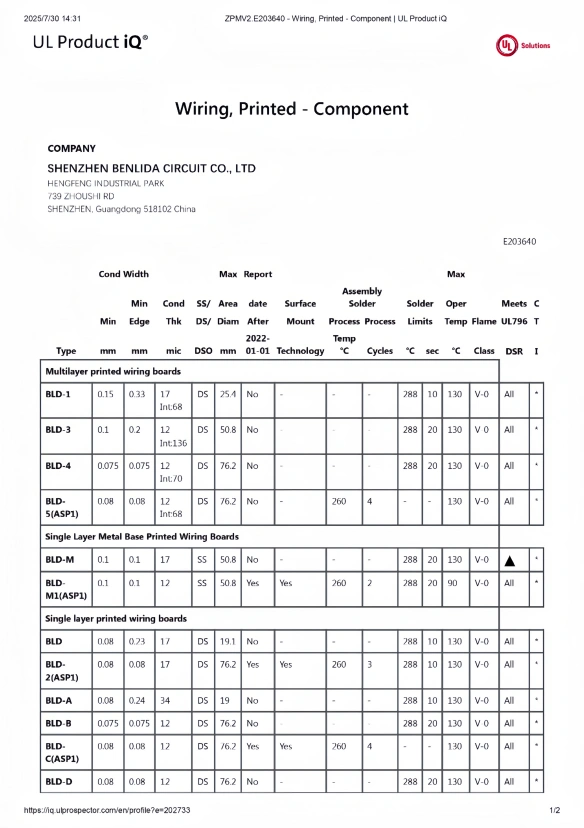
Benlida meets international quality standards, such as ISO 9001, IATF 16949, and UL certification, to provide dependable production and high-quality products for PCB, PCBA, and 3d printing electronic components solutions.

Why Choose Us
PCB and PCBA Manufacturing Experience
Unlike traditional 3D printing suppliers, Benlida has professional experience in PCB manufacturing and PCBA assembly. We understand electronic product requirements, including circuit integration, component placement, and assembly compatibility. This manufacturing background allows us to provide more practical solutions for customers developing electronic products.
Integrated Electronic Manufacturing Solutions
3d printing electronic components is often one part of the overall product development process. Benlida provides integrated support covering prototype development, PCB fabrication, PCBA assembly, and manufacturing optimization. Working with one experienced manufacturing partner helps customers simplify supplier management and improve project efficiency.
Professional Engineering Support
The engineering team collaborates with the clients in analyzing the design, examining manufacturing feasibility, and offering optimization advice. This improves product performance, reduces the possibility of manufacturing problems, and enhances manufacturing solutions.
Flexible Prototype and Production Capability
Every project needs a different manufacturing approach. In Benlida, we support rapid prototyping, customization manufacturing, and small batch manufacturing based on our customers' needs. This makes our customers able to prove their product ideas quickly and effectively meet their market needs.
FAQ
3d printing electronic components are customized electronic-related parts or structures produced through additive manufacturing technology. They are commonly used for rapid prototyping, design verification, and customized product development.
Yes, 3D printing technology can be used together with PCB and PCBA manufacturing, which will aid in improving development efficiency and resolving possible design problems.
At Benlida, there are a variety of 3D printing technologies, such as SLA, SLS, FDM, MJF, DLP, FGF, SLM, and Urethane Casting. Depending on the requirement of the product, different technologies are chosen.
Some of the surface finishes that are commonly used are: Sand Blasting, Polishing, Painting, Electroplating, Milling/Turning, Chemical Vapor Polishing, and Coloring.
Yes. Benlida provides customized manufacturing support based on customer designs and project requirements, including prototype development, structural optimization, and integration with PCB and PCBA manufacturing processes.