Professional FPC Manufacturer

Custom Flex PCB Manufacturing Solutions

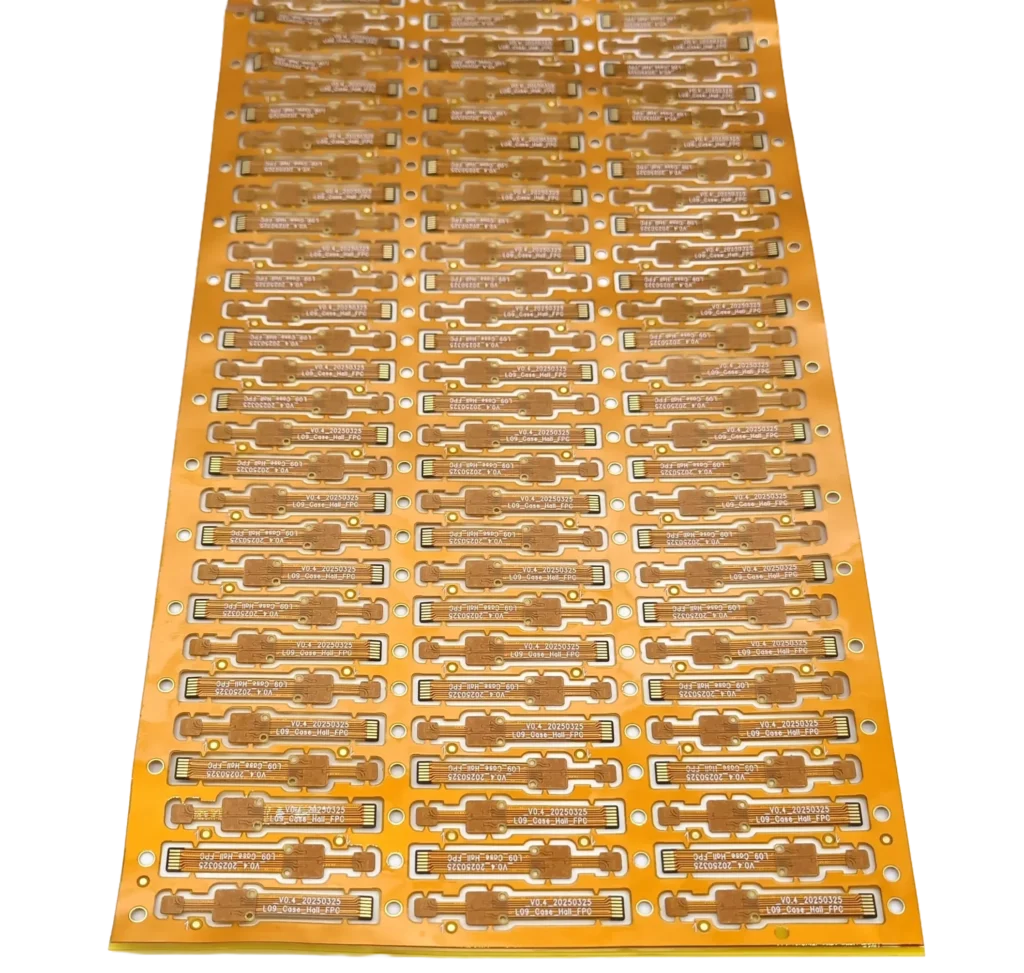
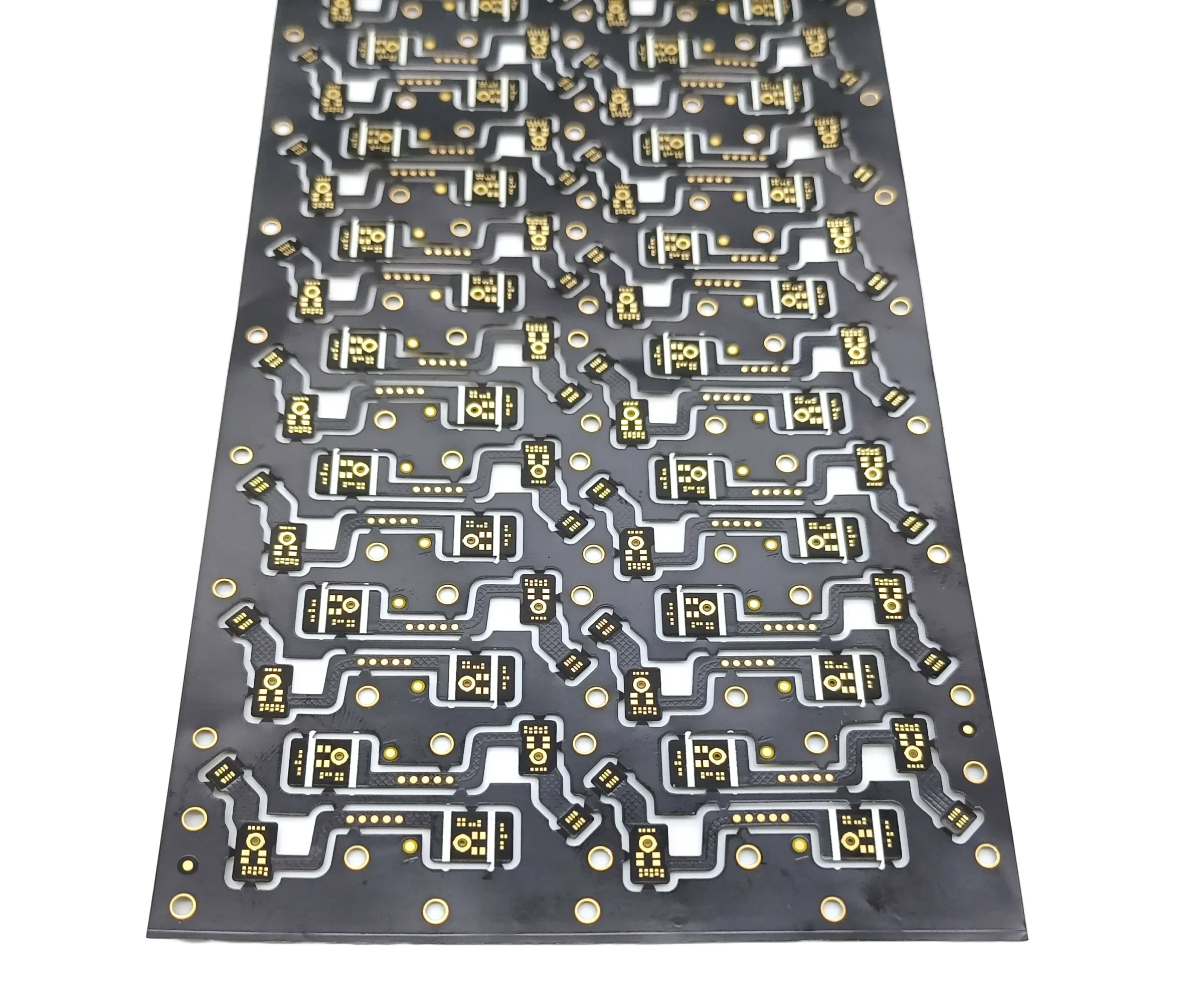
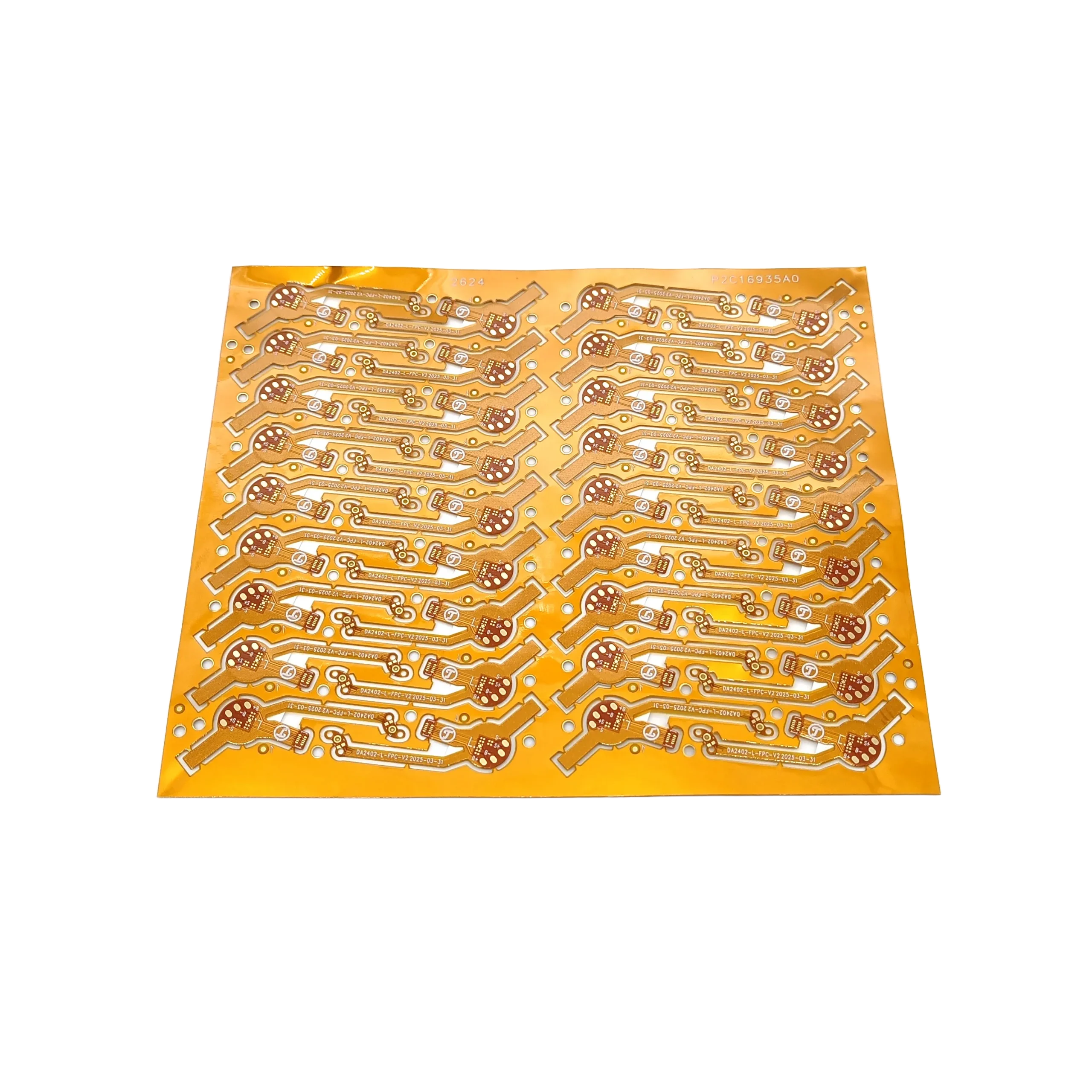
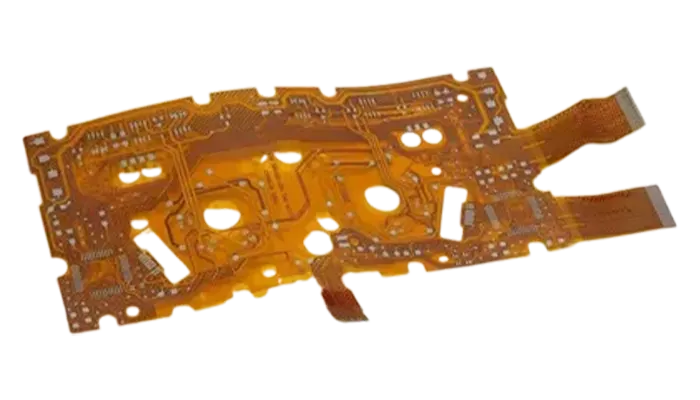
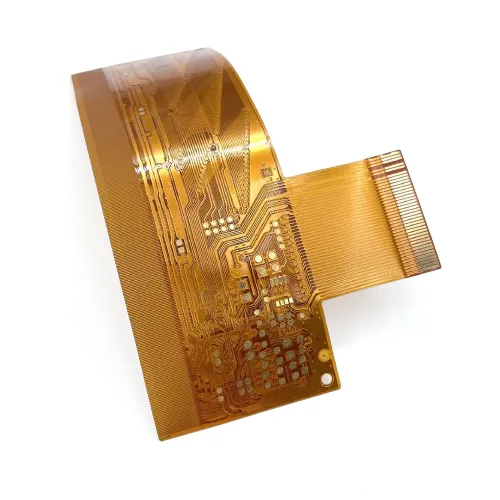
As an experienced FPC manufacturer, we specialize in flexible PCB manufacture with reliable fabrication capabilities, fast turnaround, and customized flex PCB solutions for advanced electronic applications.

Minimum Bend Radius 0.86 mm

Expected Flex Life < 100 cycles

IPC Bend Ratio (r/h) 6:1

Flex PCB 1 (1)

What is Flex PCB?

A High-Density Interconnect Printed Circuit Board is a type of printed circuit board specially engineered for miniaturized and high-speed electronic products. As an advanced printed circuit board solution provided by an HDI PCB supplier and manufacturer, the HDI PCB uses fine traces, small vias, and multilayer construction to achieve high efficiency and minimize the size of the board.

When compared to regular printed circuit boards, HDI boards provide improved wiring density and increased signal performance by utilizing technologies such as microvias, fine lines, and multilayers.

Flex PCB 2 2webp

Our Flex PCB Manufacturing Capabilities

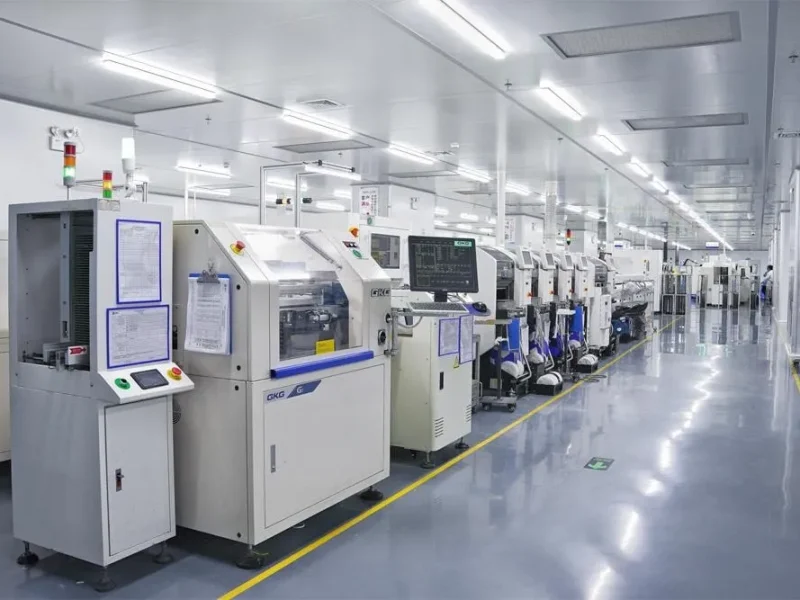
Benlida offers advanced Flex PCB manufacturing capabilities, including multi-layer designs, fine trace processing, flexible materials, and various surface finishing options. An experienced FPC manufacturer like us offers a wide range of customized Flex PCB products that come with guaranteed quality control and flexible manufacturing options.

Flex PCB 3

Layer Count

1-12 layers

Minimum Trace Spacing

50 μm (2 mils)

Flex Material

Polyimide, PET

Surface Finish

HASL, ENIG, OSP, Immersion Tin

Thermal Management

High thermal conductivity options

MOQ

1рс

Packaging

ESD Protection Materials, Moisture barrier bags, Bubble wrap, Corrugated cartons

Minimum Trace Width

50 μm (2 mils)

Minimum Via Diameter

75 μm (3 mils)

Copper Thickness

0.5-5 oz

Bend Radius

≥3 mm

Quality Standards

IPC-A-600, IPC-6013, ISO9001

OEM/ODM

available

Flex PCB Manufacturing Process

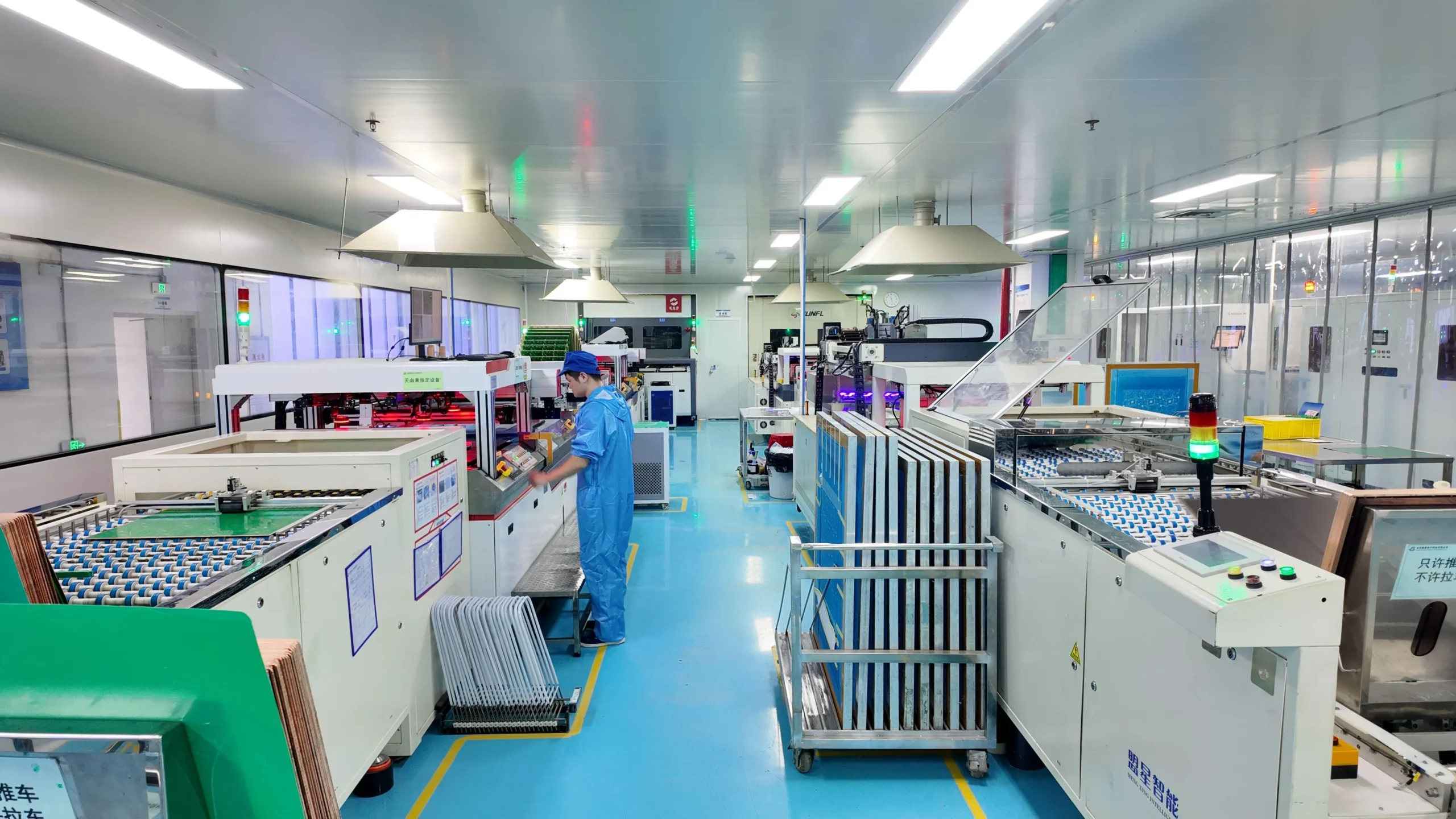
The Benlida flex PCB fabrication process incorporates all necessary steps, including design for manufacturing analysis, material selection, circuit creation, lamination, surface treatment, and testing. With proper manufacturing controls and modern manufacturing techniques, we can provide our customers with high-performance and high-quality customized flex PCBs.

1

PCB Design & DFM Review

Ensure optimal design and manufacturability before production to prevent errors and improve performance.

PCB Design & DFM Review
2

Material Preparation

Select and cut FR-4 substrate sheets to the required size and specifications.

Material Preparation
3

Inner Layer Imaging

Transfer circuit patterns onto inner copper layers using photolithography for precise circuit definition.

Inner Layer Imaging
4

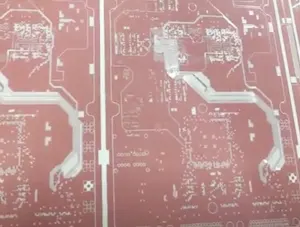
Etching Process

Remove unwanted copper from inner layers to create the desired circuit patterns.
Etching Process
5

Layer Lamination

Bond multiple inner layers together under heat and pressure to form the multilayer board structure.
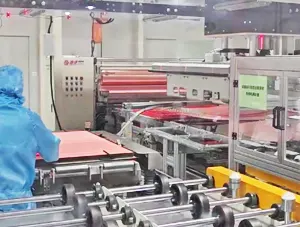
Layer Lamination
6

Drilling & Via Formation

Drill holes for component leads and electrical connections between PCB layers.
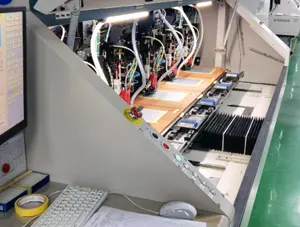
Drilling & Via Formation
7

Copper Plating

Plate drilled holes and surface areas with copper to ensure electrical conductivity.

Copper Plating
8

Solder Mask Application

Apply protective solder mask to prevent short circuits and protect traces.
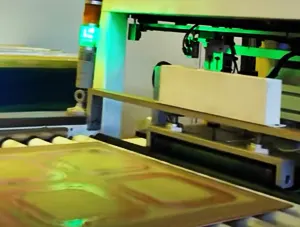
Solder Mask Application
9

Surface Finishing

Apply finishes like HASL or ENIG to protect copper and improve solderability.
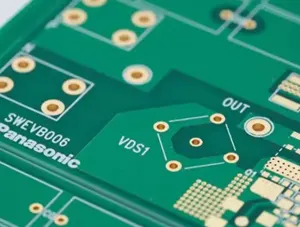
Surface Finishing
10

Electrical Testing & Inspection

Test all circuits for continuity and defects to ensure quality and reliability.
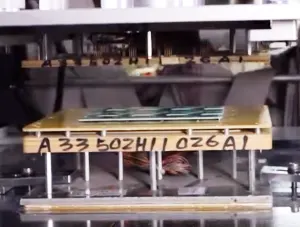
Electrical Testing & Inspection

Why Choose Benlida for Flex PCB Solutions?

Professional FPC Manufacturing Expertise

As a company that has a lot of experience in manufacturing flexible circuits, Benlida is able to offer flexible PCB products for different sectors such as consumer electronics, automobiles, medical instruments, and many more. As an experienced fpc manufacturer, we have the capability to support multilayer designs, precision processing, and different flexible material requirements.

Flex PCB Design Guides

The right design plays an important role in ensuring the functionality and production of Flex PCBs. Benlida, a professional FPC manufacturer, can give you design advice for your custom flex PCBs that helps improve flexibility, signal quality, and productivity.

Flex PCB 3 (1)
Minimize Bending Stress Areas

Design circuits to avoid sharp bends or tight corners, reducing mechanical stress on flexible areas and improving the durability of custom flex PCB designs.

Maintain the same width and space for the traces to ensure that the impedance remains constant, there is no signal attenuation, and flexibility is achieved in flexible PCBs.

Make use of grounding and shielding techniques in your design in order to minimize interference and ensure the stability of your circuit.

Optimize Trace Widths and Spacing for High-Frequency Signals

Carefully optimize trace dimensions and spacing to support high-frequency signal transmission while ensuring compatibility with flexible pcb manufacture requirements.

Choose suitable flexible materials such as polyimide or PET based on bending performance, thermal requirements, and electrical characteristics to achieve reliable PCB performance.

Flex PCB 4 (1)

Types of Flex PCB

Flex PCBs are available in various structures and configurations to meet different application requirements, from simple circuits to high-density and dynamic bending applications. As an experienced FPC manufacturer, Benlida provides custom flex pcb solutions with different layer structures and material options to support diverse electronic designs.

Single-Sided Flex PCB

Single conductive layer, used in simple circuits like wearables and small devices.

Double-Sided Flex PCB

Two conductive layers connected by vias, for moderate complexity circuits.

Multi-Layer Flex PCB

Three or more layers for high-density, high-performance applications.

Rigid-Flex PCB

Combines rigid and flexible sections for compact, durable designs.

High-Flex / Dynamic Flex PCB

Designed for repeated bending in robotics, foldable devices, and wearables.

Adhesive vs. Adhesiveless Flex PCB

Adhesive uses bonding layer; adhesiveless bonds copper directly for thinner boards.

Flex PCB Testing & Inspection

To ensure reliable performance, durability, and electrical stability, Benlida conducts comprehensive testing throughout the production process. These inspection procedures help verify the quality and reliability of custom flex PCB solutions for different application requirements.


Electrical Testing

Verify circuit continuity and electrical performance to identify potential open circuits, short circuits, or connection issues, ensuring reliable operation after flexible pcb manufacture.

AOI Inspection

Use automated optical inspection to detect defects in circuit patterns, traces, and surface conditions, helping maintain high precision during Flex PCB production.


Dimensional Inspection

Check board dimensions, layer alignment, and critical design features to ensure each Flex PCB meets customer specifications and design requirements.

Material & Surface Inspection

Inspect flexible substrates, copper layers, and surface finishes to confirm material reliability and support consistent performance across different applications.

Reliability Testing

Test the flexibility, resilience, and mechanical properties to make sure that the Flex PCBs will be able to bend and withstand vibration and continuous use.

Final Quality Inspection

Conduct final inspection before shipment to verify product consistency and ensure each product meets the requirements expected from a reliable fpc manufacturer.

Applications of Flex PCB

Flex PCBs provide lightweight, flexible, and reliable circuit solutions that help different industries achieve compact designs, improved performance, and greater product reliability. Benlida supports custom flex PCB requirements for a wide range of applications with flexible design and manufacturing capabilities.

PCB Mounting & Soldering 1

Flex PCBs allow the creation of thinner and lighter electronic products thanks to their ability to connect things within small spaces. They are widely applied in smartphones, wearables, tablets, and other mobile electronics.

In the automobile industry, the use of Flexible PCBs can assist in reducing wiring complications and improving connection reliability. Flexibility and strength of the board allow it to be applied in the manufacture of displays, sensors, control units, and intelligent cars.

Flex PCBs support the development of smaller and more reliable medical equipment by enabling compact circuit designs and stable electrical performance. They are commonly used in wearable medical devices, monitoring equipment, and diagnostic systems.

Flex PCBs provide reliable circuit solutions for industrial applications that require durability, vibration resistance, and efficient space utilization. They help improve system integration and performance in automation equipment and control systems.

The flexible board is appropriate for applications that require lightness, durability, and complicated circuits. The flexibility and strength of the board make it fit for aerospace applications.

FAQ

Yes, Benlida provides custom flex PCB solutions based on customers’ requirements, including different layer counts, materials, structures, and performance needs. We support projects from prototype validation to small-batch and volume production.

Material used in Flex PCB includes Polyimide and PET. The right choice of the material is done through bending criteria, thermal characteristics, electrical properties, and usage.

Flex PCB involves flexible substrates that enable bending and three-dimensional assembly, whereas Rigid PCB involves substrates that are fixed in their position. Flex PCB reduces the number of connectors and wires, which makes it appropriate to use where there are bending requirements.


As an experienced fpc manufacturer, Benlida supports multilayer designs, fine-line processing, flexible materials, and various surface finishes. Our flexible pcb manufacture capabilities ensure reliable solutions with consistent quality for different applications.

Different kinds of Flex PCBs can be found from Benlida; they include Single-sided, Double-sided, Multilayer, Rigid-Flex, and High Flex/Dynamic Flex PCBs. We provide suitable solutions based on different designs and application requirements.

Key Features and Advantages of FPC

FPC provides good flexibility, light weight, and high reliability, which makes it the best fit for the present-day electronics having complicated designs.With advanced flexible pcb manufacture capabilities, Benlida provides reliable FPC solutions that support various application requirements.

01

Lightweight and Flexible Design

FPC uses flexible substrates that allow bending, folding, and three-dimensional installation, making it suitable for compact devices and space-limited applications.

02

Space Saving and Weight Reduction

Compared with traditional rigid PCBs, FPC features a thinner and lighter structure, helping reduce connectors and wiring while enabling more efficient product designs.

03

High Reliability and Bending Performance

FPC provides excellent mechanical flexibility and durability, allowing stable operation in applications exposed to bending, vibration, or repeated movement.

04

Excellent Signal Performance

With precise circuit design and stable material properties, FPC supports reliable signal transmission while helping reduce interference and signal loss.

05

Flexible Design Adaptability

FPC can adapt to irregular spaces and complex assembly requirements, providing custom flex PCB solutions for diverse electronic product designs.

Core Structural Types of Flexible PCB

Flexible PCBs can be organized under various structures depending on the number of layers, circuit complexity, and the needs of the application. Knowing how flexible PCBs are structured makes it easy to find the right solution that suits your product. Benlida provides custom flex PCB solutions with various structural options to meet different design and performance requirements.

A single-sided Flex PCB is a flexible printed circuit board with only one layer of conductive copper on its substrate. It has a simple structure and design, weight savings, and is economical.

A double-sided Flex PCB is a type of flexible PCB with conductive materials on both sides of its substrate, joined by plated vias. The double-sided flex PCB is more advanced compared to the single-sided PCB.

A multi-layered Flex PCB is made up of three or more layers of conductors combined to form circuits that will be denser and have high functionality. It is often used where there is a need for complex wiring and increased electrical performance.

Hollow Flex PCB has particular openings in the flexible circuit for improved assembly, weight reduction, and specific mechanical/assembly requirements.


Layered Flex PCB uses a multi-section or separated layer structure to optimize circuit arrangement and mechanical performance. This design helps achieve better space utilization and is suitable for applications requiring specific thickness, flexibility, or structural configurations.

Turn Your Dreams Into Reality

Getting a custom PCB made is simple with Benlida. Submit your design files or project details, and our team will provide a fast, accurate quote tailored to your requirements. Whether it’s a prototype or large-scale production, we make the process easy and efficient.

Scroll to Top

Contact Us