


Rogers RO4350B PCB Material Guide — Specifications, Applications & Design Tips
Rogers RO4350B PCB material is widely used in RF, microwave, and high-speed designs. It offers low signal loss and stable […]
Rogers RO4350B PCB material is widely used in RF, microwave, and high-speed designs. It offers low signal loss and stable […]
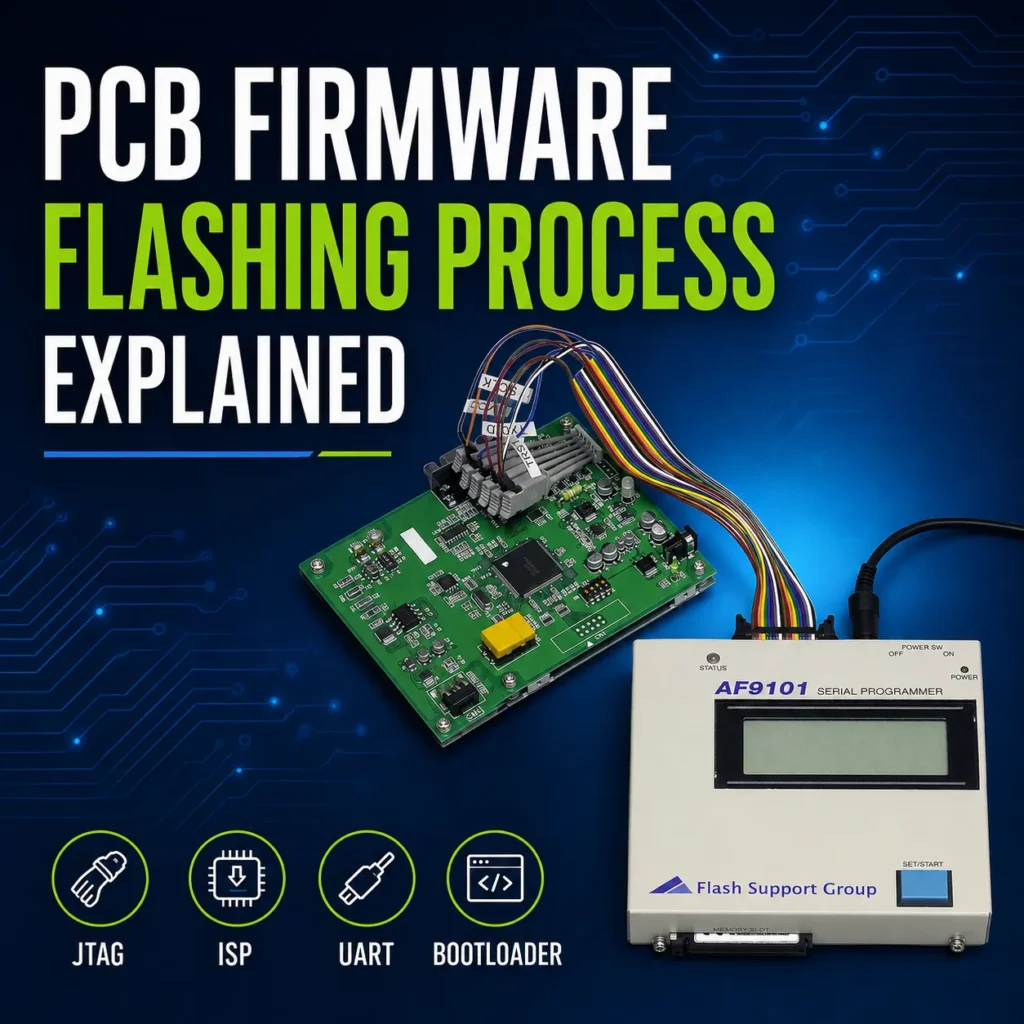
PCB firmware flashing loads software into a microcontroller, memory device, or other programmable part on an assembled circuit board. The
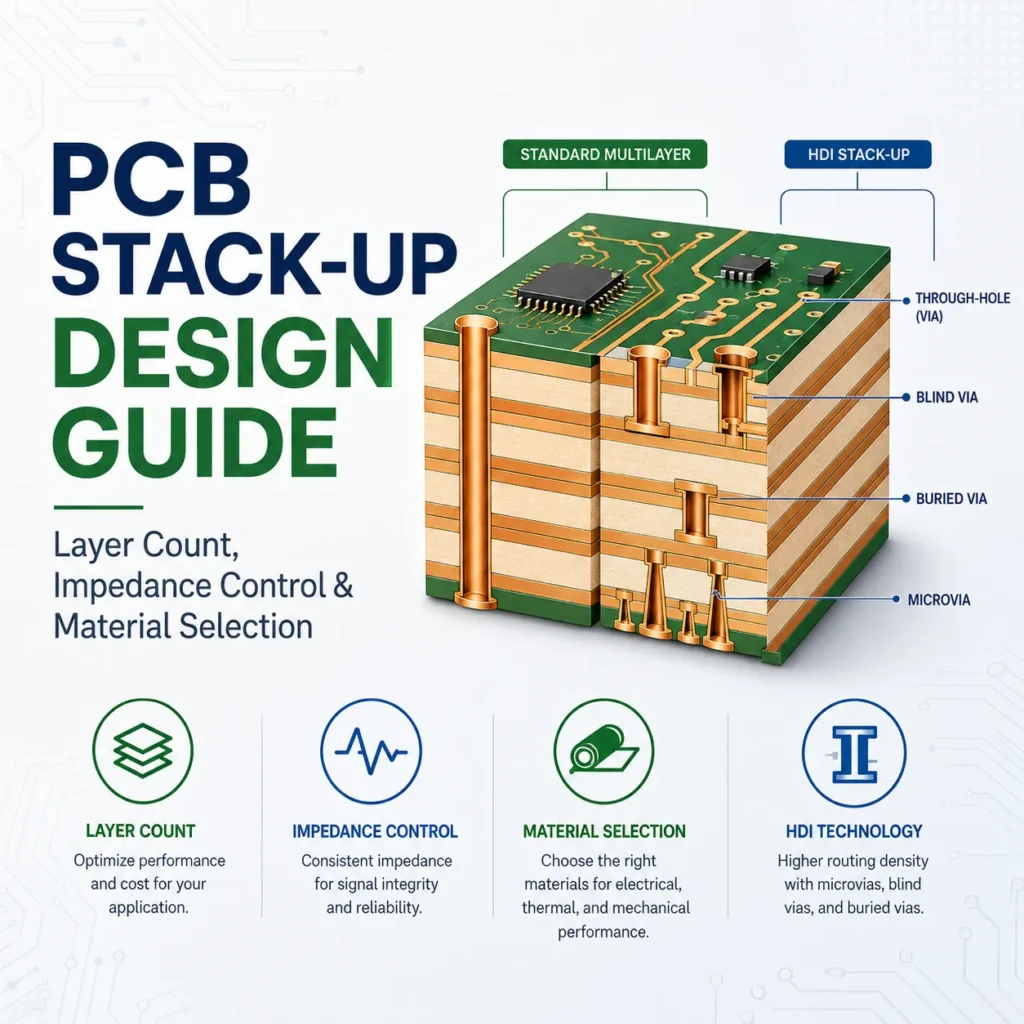
A PCB stack-up defines how copper and dielectric layers are arranged inside a printed circuit board. It affects routing space,
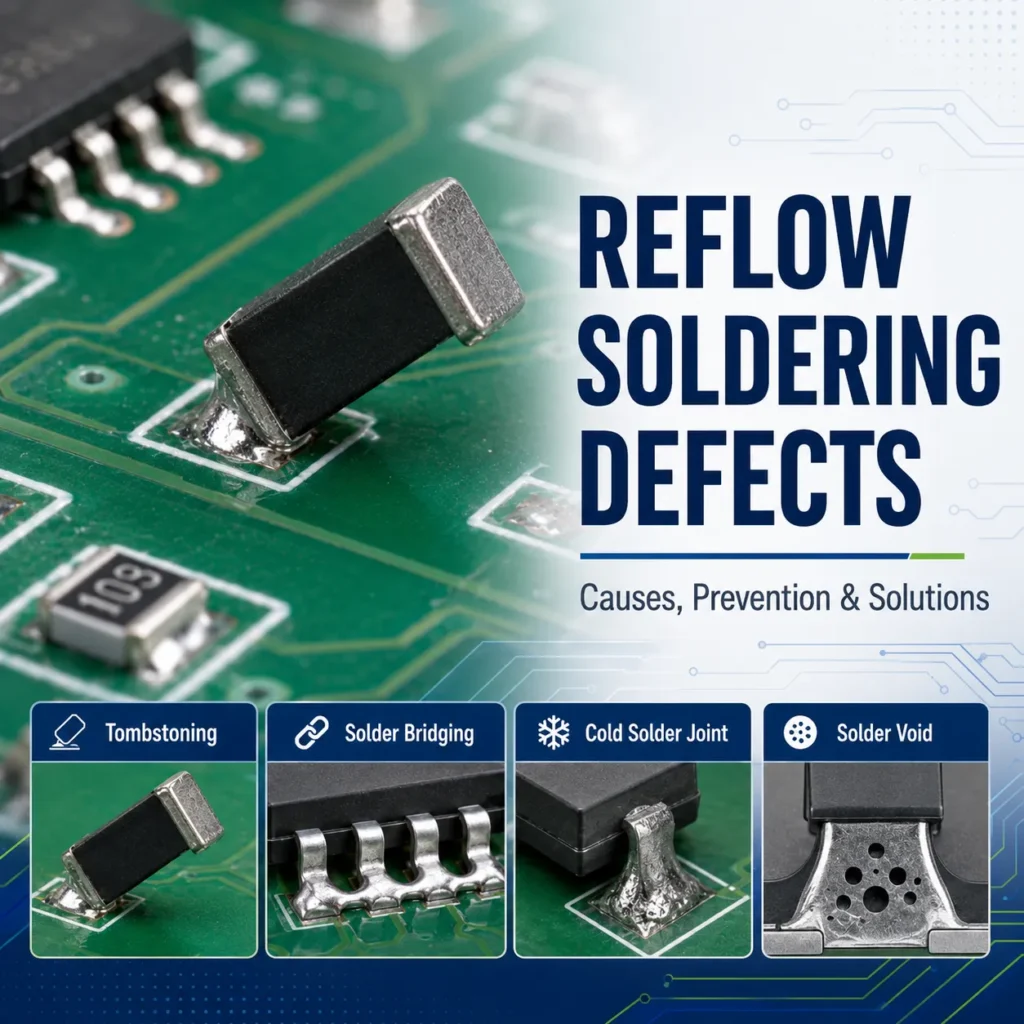
Reflow soldering defects can reduce yield, increase rework, and cause field failures. Some defects are easy to see. Others remain

Conformal coating adds a thin protective film to a printed circuit board assembly. It helps protect the board from moisture,
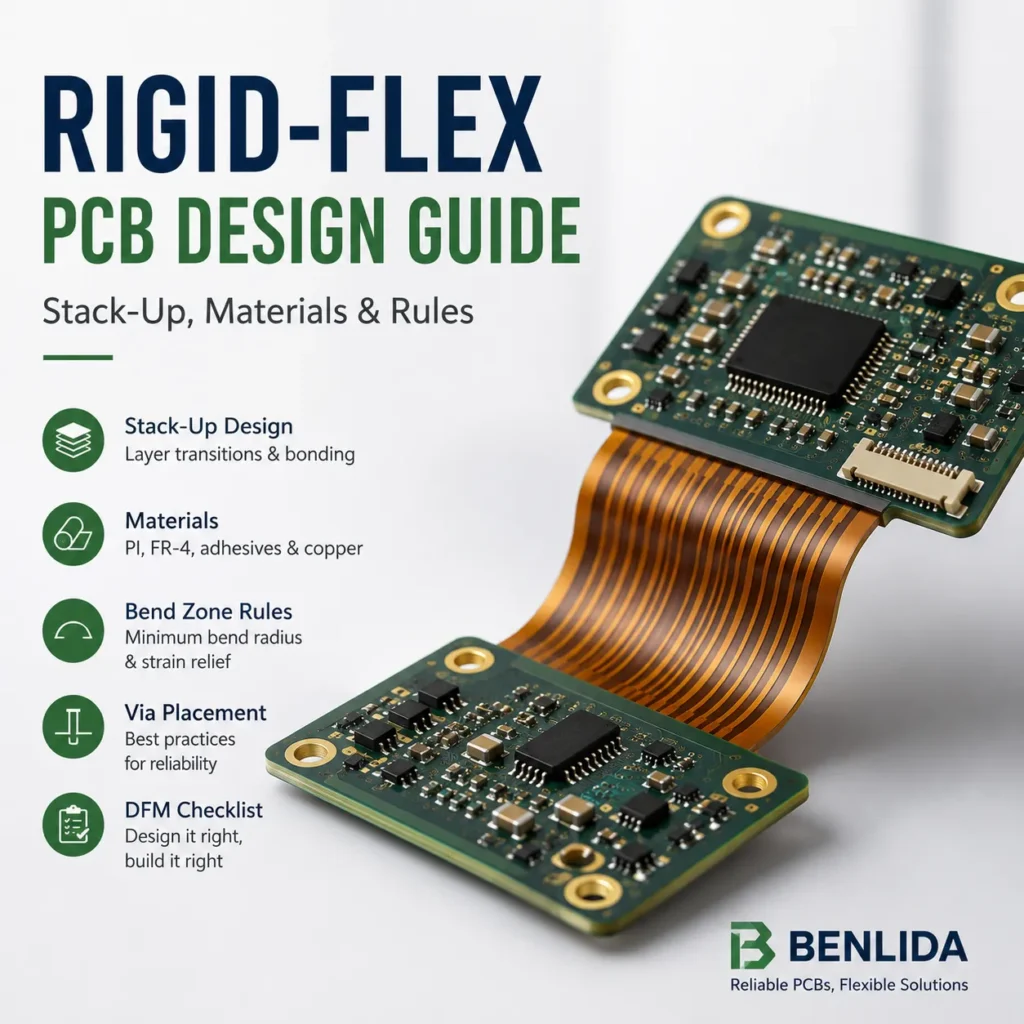
A rigid-flex PCB combines rigid FR-4 sections and flexible polyimide circuits in one connected board.Reliable rigid-flex PCB design depends on
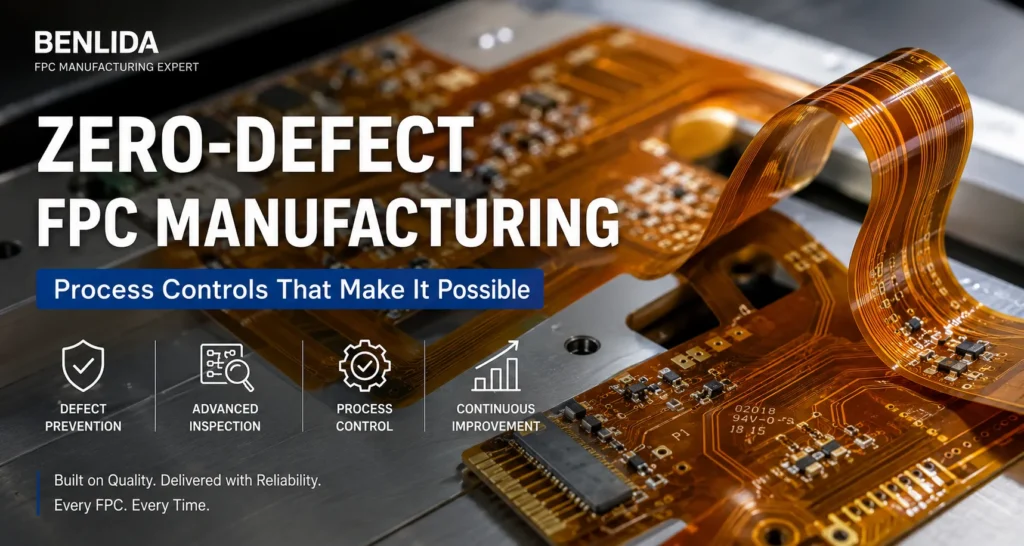
Can an FPC manufacturer deliver a batch with no defective boards? In real production, an absolute and permanent zero is

Discover everything about PCB holes, including types, functions, and applications. Learn how through holes, blind vias, buried vias, thermal vias, and press-fit holes enhance electrical connections, thermal dissipation, and mechanical fixing in PCB design.
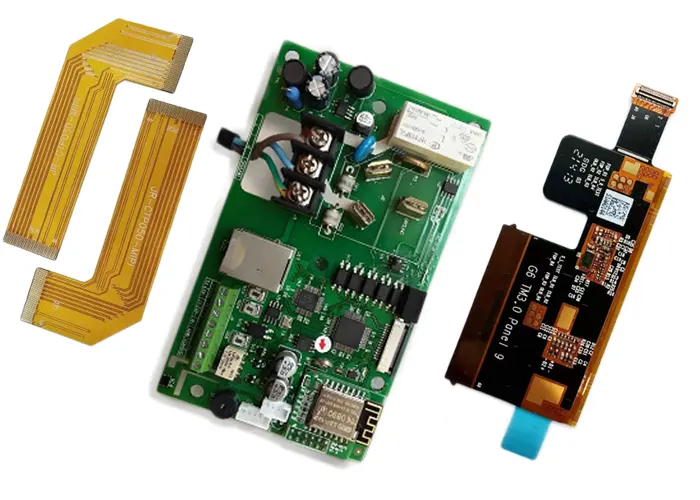
In modern electronic devices, printed circuit boards (PCBs) serve as the carrier for electronic components and the bridge for electrical connections; the choice of PCB type directly impacts product performance, reliability, and cost.
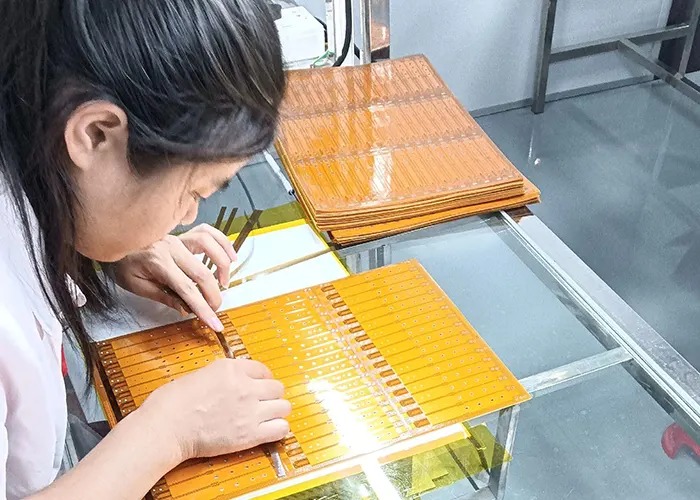
Learn how process responsibility in FPC manufacturing prevents defects, reduces waste, and improves product quality. Discover the “Three No’s Principle” and how each production step impacts final performance.

As the data rates of high-speed interconnect links continue to increase, the signal integrity of printed circuit boards (PCBs)—which serve as the medium for signal transmission—is having an increasingly significant impact on system performance.
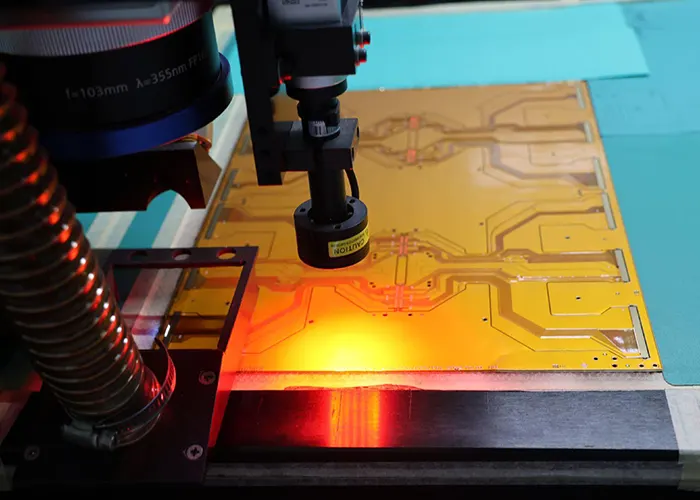
In modern FPC (Flexible Printed Circuit) manufacturing, quality has become the most critical factor determining competitiveness, customer trust, and long-term profitability.